
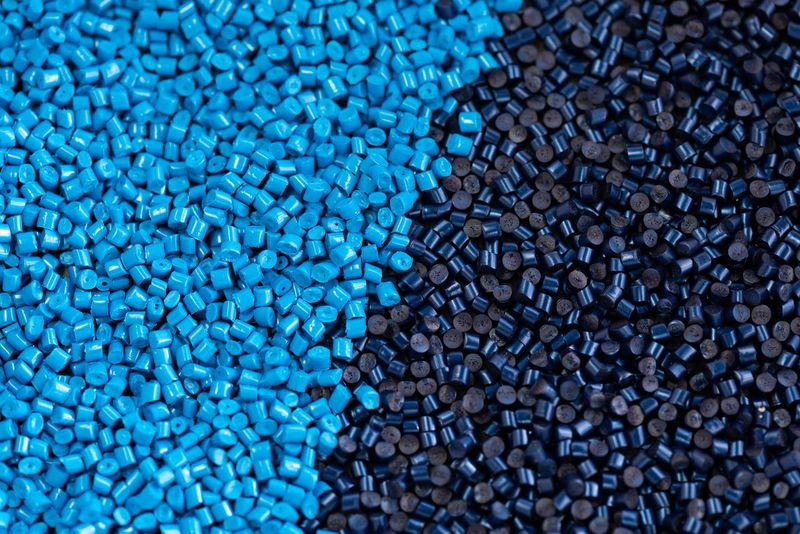
Facilities / Fibre extrusion & spunmelt
Fibre extrusion & spunmelt R&D facilities
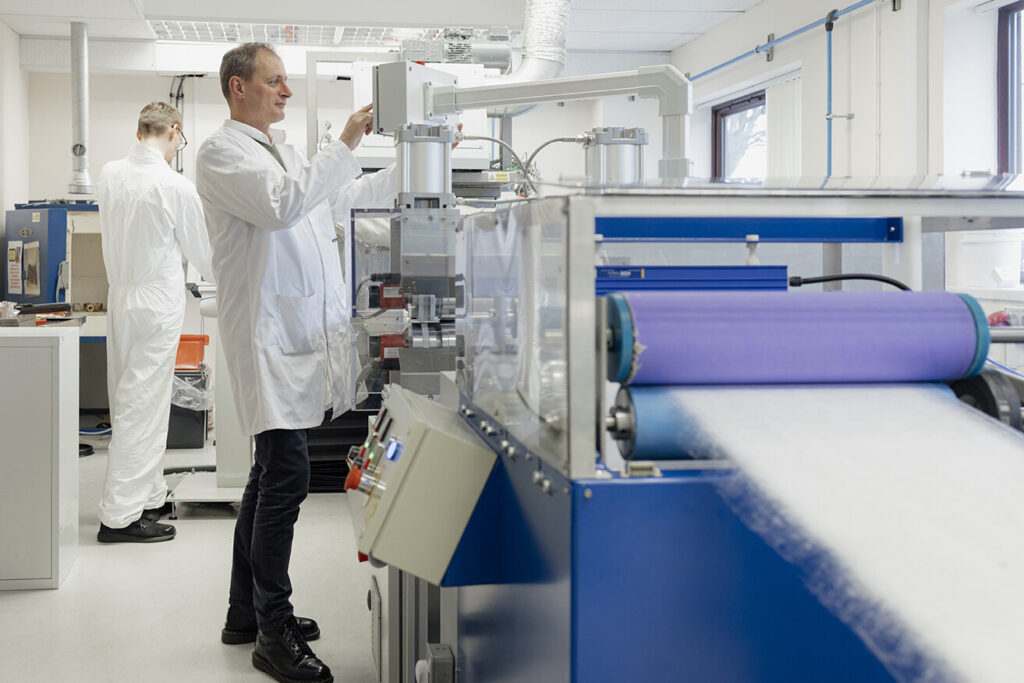
NIRI provides specialist fibre extrusion, spinning and spunmelt development facilities for organisations developing high-performance fibres, nonwovens and advanced materials.
Once a polymer or formulation has been developed and characterised, the next challenge is establishing whether it can be converted reliably into a fibre or filament with the required properties. Our polymer scientists, materials specialists and process engineers help clients bridge this gap, progressing materials from initial fibre-forming trials through to nonwoven prototypes, testing and scale-up.
From polymer to fibre
Successful fibre development depends on the interaction between polymer properties, processing conditions and the structure of the resulting fibre. NIRI can investigate factors including:
- Fibre-forming and spinnability behaviour
- Processing temperature and stability
- Rheology
- Fibre diameter and morphology
- Mechanical performance
- Mono- and bicomponent fibre structures
- Functional additives and inclusions
- Downstream nonwoven processability
For projects requiring development or optimisation of the polymer itself, our Polymer Synthesis & Development facilities provide the upstream capability to investigate polymer chemistry, feedstock quality, compounding and formulation before progressing into fibre trials.
Fibre extrusion & spinning capabilities
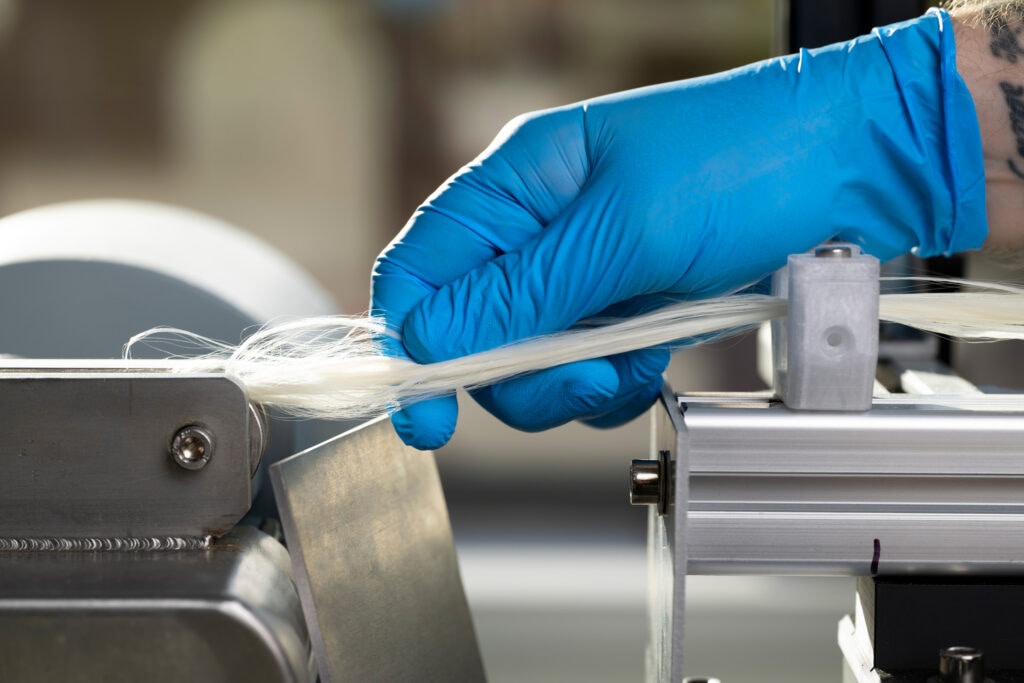
NIRI’s pilot-scale fibre processing facilities support a wide range of polymer systems and development routes, including:
- Ram extrusion for small-scale fibre-forming trials
- Melt spinning
- Wet spinning
- Dry-jet wet spinning
- Dry spinning
- Electrospinning
- Meltblown
- Spunbond
- Mono- and bicomponent fibre development
- Fibre crimping and cutting
This breadth of capability enables the most appropriate processing route to be selected around the material and intended application rather than forcing development through a single technology.
Rapid screening with small material quantities
Early-stage material development frequently involves limited quantities of new, recycled or high-value polymers. NIRI’s small-scale extrusion capability allows fibre formation to be assessed using relatively small material samples before progressing into larger pilot-scale trials. This provides a practical next step after exploratory polymer synthesis, enabling clients to determine whether a promising polymer can actually be converted into a viable fibre.
Small-scale trials can be used to assess:
- Fibre formation
- Processing stability
- Initial mechanical properties
- Material degradation
- Formulation changes
- Additive compatibility
- Requirements for further optimisation
Successful materials can then progress into larger-scale fibre and nonwoven development.
Spunmelt development
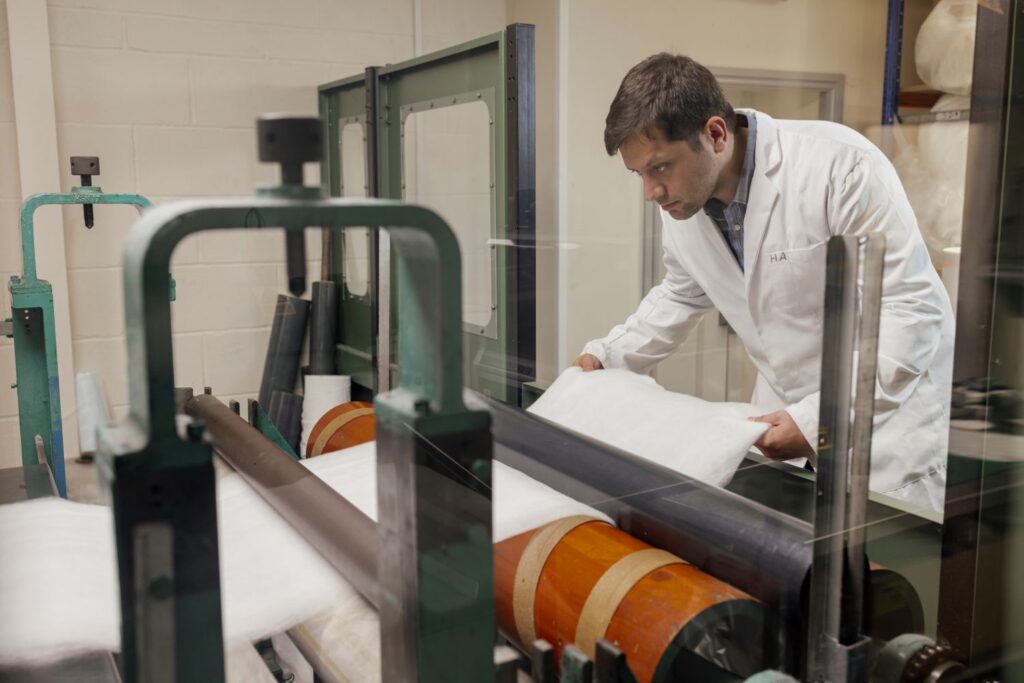
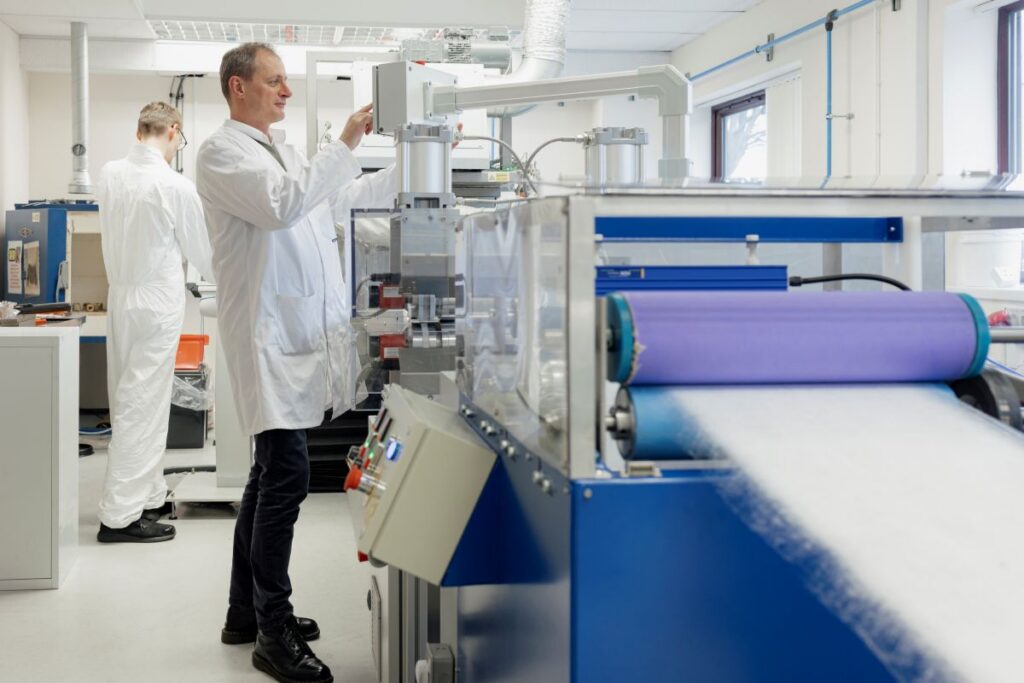
NIRI’s spunmelt capabilities allow polymers to be converted directly into filament-based nonwoven structures.
Meltblown
Meltblown processing can produce fine-fibre structures with high surface area and controlled pore characteristics, making the technology particularly relevant to filtration, barrier, absorbent and other functional applications.
Spunbond
Spunbond enables continuous filaments to be formed and deposited directly into a nonwoven web, providing opportunities to develop lightweight materials with engineered combinations of strength, permeability and other functional properties. NIRI can develop both mono- and bicomponent structures and investigate how polymer selection, fibre architecture and processing conditions influence final material performance.
Spunmelt structures
Spunbond and meltblown technologies can also be used as part of multilayer nonwoven development, allowing different material structures to be combined to balance properties such as strength, filtration, barrier performance, permeability and weight.
Advanced & speciality fibres
NIRI works with conventional polymers alongside more challenging and emerging material systems. Development can include:
- High-performance polymers
- Biopolymers
- Recycled polymer feedstocks
- Functionalised polymers
- Mono- and bicomponent fibres
- Organic and inorganic additives
- Nanoparticles and microcapsules
- Composite and reinforcing fibres
- Specialist biomedical materials
Our facilities enable clients to investigate not only whether these materials can be extruded, but how fibre structure and processing conditions affect their subsequent performance.
Sustainable & recycled fibre development
Where recycled or sustainable polymers have already been developed, NIRI can assess their suitability for conversion back into fibres and nonwoven structures. This can include:
- Recycled polymer extrusion
- Thermomechanical fibre-to-fibre recycling
- Biopolymer fibre development
- Fibre processing using bio-based materials
- Evaluation of recycled versus virgin feedstocks
- Optimisation of processing conditions where degradation has occurred
For recycling technologies involving depolymerisation, recovered monomer characterisation, chemical or enzymatic recycling and repolymerisation, development begins within our Polymer Synthesis & Development facilities before successful materials progress into fibre extrusion. This separation allows both the chemistry of the recycling process and the practical ability to manufacture a new fibre to be evaluated.
From filament to staple fibre
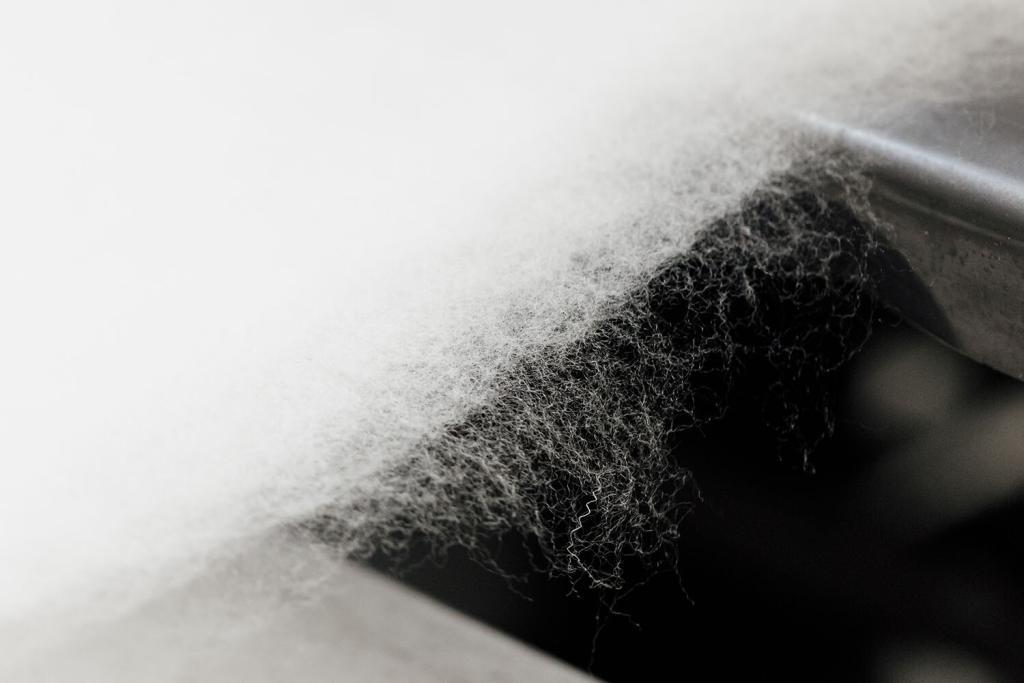
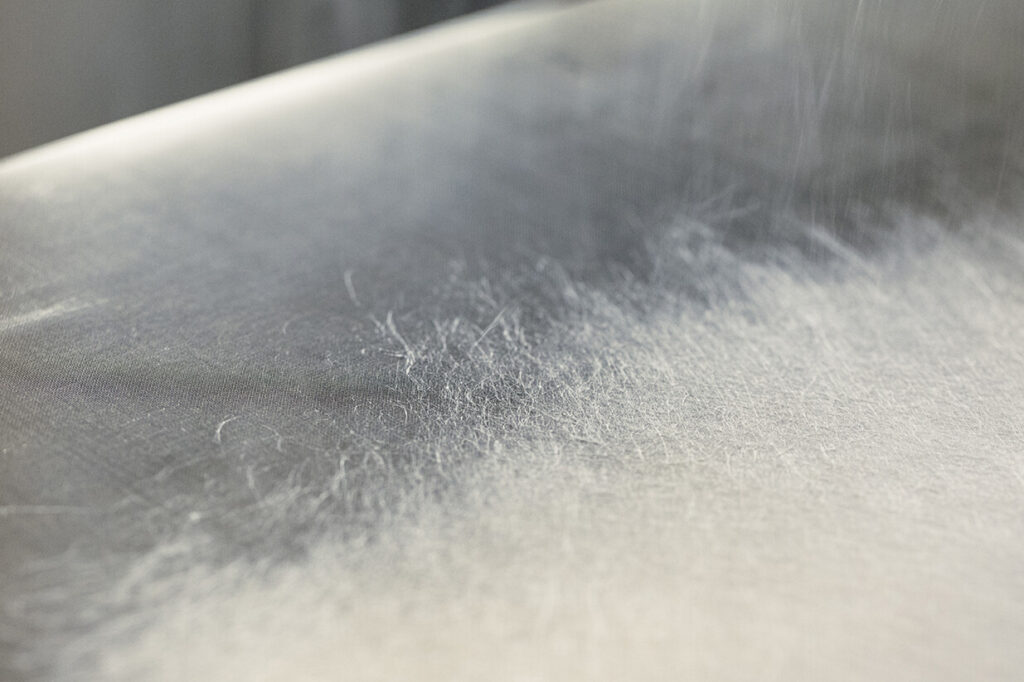
Fibre development can continue beyond initial extrusion. NIRI has crimping and cutting capabilities that allow suitable filaments to be converted into staple fibres for further evaluation. These fibres can then be:
- Evaluated individually
- Blended with other fibre types
- Processed into staple yarns
- Carded into fibre webs
- Converted into prototype nonwoven structures
This enables clients to understand how an experimental fibre performs within a realistic downstream manufacturing process rather than evaluating the fibre in isolation.
Fibre & nonwoven testing
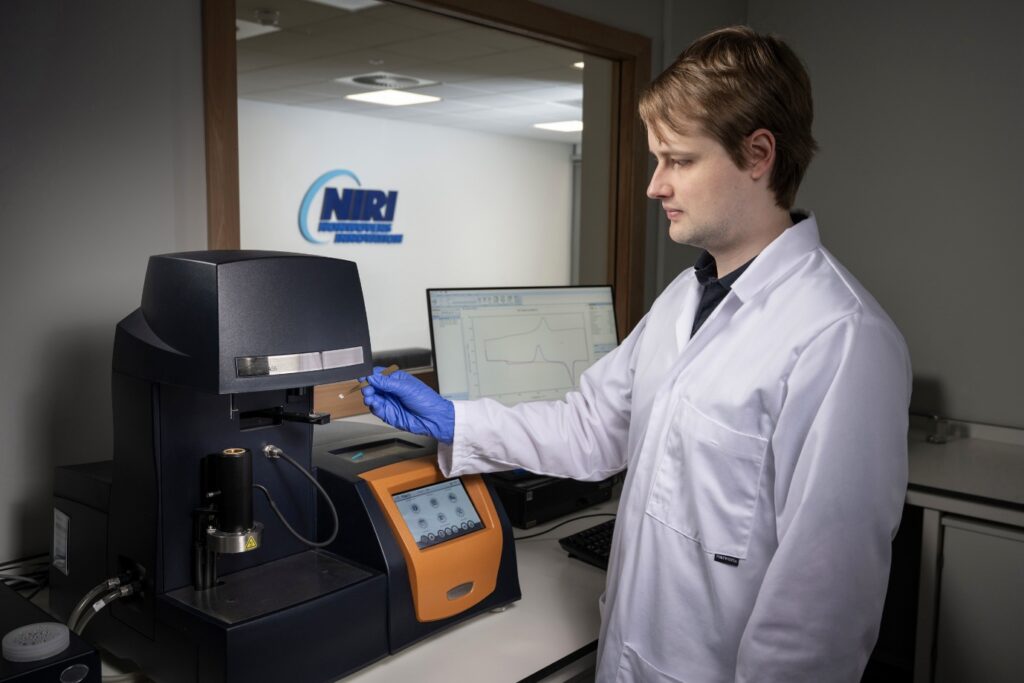
Our extrusion facilities are supported by analytical and physical testing capabilities that allow processing behaviour, fibre structure and performance to be evaluated throughout development. Testing can be used to investigate areas including:
- Fibre morphology and diameter
- Mechanical properties
- Thermal behaviour
- Chemical composition
- Material degradation
- Fibre and web structure
- Performance within the intended application
Results from these trials can then be used to refine both the fibre formulation and processing conditions.
Prototype validation
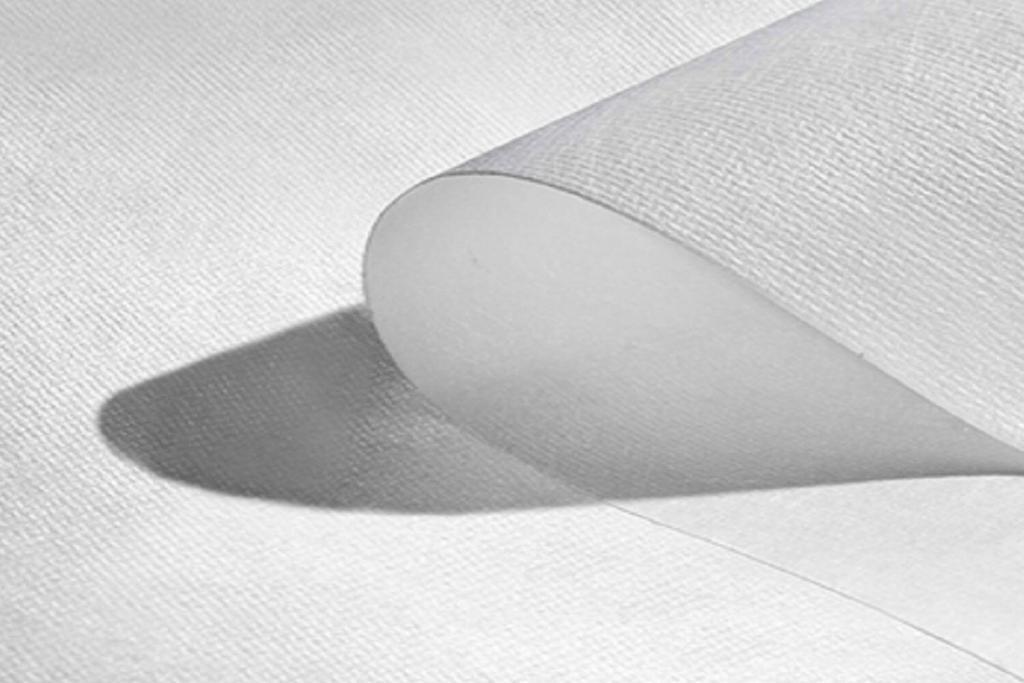
NIRI’s wider nonwoven facilities enable successful fibres and filaments to be converted into prototype fabrics and products using a range of web-forming, bonding and functionalisation technologies. Our on-site testing and characterisation laboratories support structural analysis and performance validation against target requirements, with results informing further material, process and product optimisation.
Develop your next fibre or spunmelt technology with NIRI
Whether you are evaluating a newly synthesised polymer, developing a speciality fibre, optimising a recycled material or creating a new spunbond or meltblown structure, NIRI can support development from initial fibre-forming trials through to functional nonwoven prototypes.
Talk to NIRI about your fibre extrusion and spunmelt development requirements.
Collaborate with us